If left untreated, alcoholic neuropathy can become more severe and affect a person’s overall quality of life. Alcoholic neuropathy is a progressive nerve disorder that results from long-term, excessive alcohol use. The condition occurs when nerves responsible for carrying signals between the spinal cord and the rest of the body are damaged by alcohol. However, those who do not stop drinking or who have experienced too much nerve damage and degeneration before receiving treatment often experience permanent and irreversible effects of alcoholic neuropathy.
Symptoms & Signs Of Complex Regional Pain Syndrome (CRPS) or Reflex Sympathetic Dystrophy (RSD)
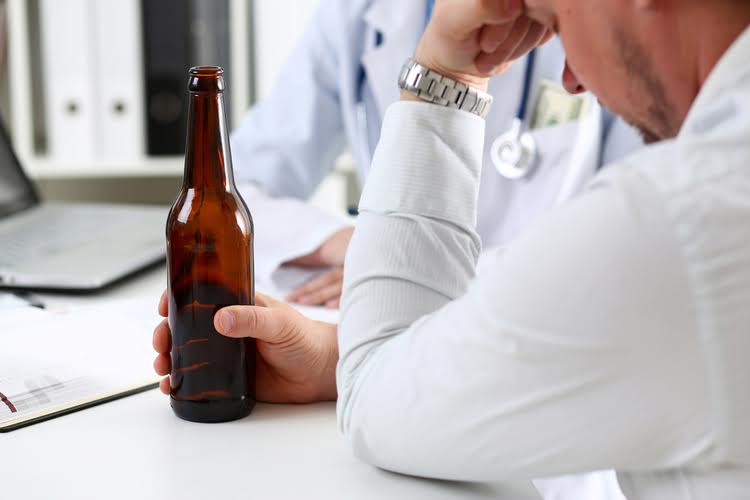
The takeaway here, again, is that finding the right physician and rehab center early can save you from a lot of trouble down the line. We know that drinking alcohol over a long period can lead to negative health issues, but we’re not exactly sure why these issues occur. Many factors contribute to the development of a condition called alcoholic neuropathy, resulting from nerve damage caused by excessive drinking.
Vicodin Withdrawals: How To Support Someone You Care About During Recovery
To better understand the neurological effects of alcohol, it helps to explore some of the more well-known pathologies, disorders, and diseases. The following sections marijuana addiction provide a brief overview of several neurologic conditions related to alcohol consumption. If your symptoms of alcoholism are extreme or persistent, a doctor may order one or several of these tests to help determine if you have alcoholic neuropathy. Our team is comprised of doctors, clinicians, therapists, mentors, and recovery coaches with decades of experience in the field. South Carolina Addiction Treatment is lucky to have some of the most qualified and personal experienced addiction specialists in the country. Our comprehensive, compassionate and unique treatment helps build a foundation for a healthy recovery and sober future.
However, experts still do not have a full understanding of how alcoholic neuropathy happens, which can make treatment challenging. In a 2019 article, researchers explain that breaking down alcohol in the body produces a chemical that damages axons. Axons are the groups of nerve fibers that carry impulses between the brain and the nervous system. Rehabilitation programs often incorporate physical and occupational therapy to help patients regain strength, improve balance, and enhance their ability to perform daily activities. Physical therapy may include gait and balance training, range of motion exercises, and strength training.
Symptoms & Signs
Reframe supports you in reducing alcohol consumption and enhancing your well-being. The pain is caused by alcohol-induced changes to the nervous system, which processes pain signals. Alterations to the nervous system can lead to increased pain sensitivity and even cause pain from non-painful stimuli, also referred to as allodynia, a type of neuropathic pain.

To take action as soon as possible, stop consuming alcohol immediately. Frequent consumption of alcohol is the driving cause of alcoholic neuropathy, leading to the risk of more serious symptoms through continued alcohol abuse. Therapeutic intervention addresses the emotional toll of alcoholic neuropathy and supports long-term recovery. Counseling corrects harmful thought patterns, reduces anxiety, and reinforces commitment to sobriety. Emotional stability leads to higher treatment adherence, fewer relapses, and stronger engagement in physical and nutritional recovery efforts.
How Can You Prevent Alcoholic Neuropathy?
- The most notable common thread for nearly all sufferers is that the sooner you seek help for your neuropathy from alcohol dependence, the less the overall damage is likely to be.
- Tailored exercises help strengthen weakened muscles, improve coordination, and enhance mobility.
- Peripheral neuropathy in individuals with diabetes ranges from 6% to 51%.
- Alcohol consumption has long been known to have detrimental effects on various organs and systems in the body, and the nervous system is no exception.
- About 46% of people with alcohol use disorder may eventually develop this condition.
Like many other types of diseases, neuropathy from alcohol abuse doesn’t progress in all individuals the exact same way. Some people may end up drinking excessively their entire lives without developing this disorder. As a result, there’s no exact amount of alcohol that brings on this disorder. However, individuals shouldn’t use this as an excuse to continue drinking. When a specific cause is unknown, people will use that as an excuse to continue addictive behavior.
- This device also can help with ankle proprioception and can improve gait and prevent ankle sprains.
- According to the Medical News Today article titled “Understanding and treating alcoholic neuropathy” alcohol impedes the processing, transportation, and absorption of essential nutrients.
- We recently launched our in-app chatbot, Melody, powered by the world’s most powerful AI technology.
- Alcoholic neuropathy is a condition that occurs as a result of excessive alcohol consumption over a prolonged period.
- We adhere to strict accuracy guidelines and only reference credible sources when providing information on our website.
Symptoms of alcohol-related neuropathy are similar to those of peripheral neuropathy. These can affect both your controlled and involuntary movements, as well as sensations. Over time, the effects of drinking too much alcohol may cause alcoholic neuropathy. This condition is also referred to as “alcohol-related neuropathy” to help decrease the stigma surrounding the condition.
Referral to a behavioral health addiction facility may be required to treat alcohol addiction. Alcoholic neuropathy can be diagnosed by a physician based on a person’s current or past consumption of alcohol and vitamin deficiencies/nutritional deficiencies. This is similar to how chronic alcoholism and alcohol toxicity dramatically increases one’s risk of developing a wide variety of different forms of cancer. However, vulnerability to neuropathy and its severity and speed of progression varies. Women, continuous drinkers more so than episodic drinkers, and people with a family history of the disorder appear to be more vulnerable to alcoholic neuropathy and may develop more severe presentations. Diagnosing alcoholic neuropathy involves a comprehensive evaluation that considers the individual’s medical history, physical examination, and various diagnostic tests.
Sahil Talwar is a physician assistant with over 7 years of experience in emergency, inpatient and outpatient psychiatry. He graduated from South College with his Master’s in Physician Assistant studies in 2015. Sahil has utilized his experience by treating patients in both civilian and military alcohol neuropathy settings. He is a Captain in the Army Reserves and has 15 years of military service. His focus is on helping people who suffer from multiple issues, such as schizophrenia, mood disorders, substance abuse, PTSD, anxiety, depression, OCD, and ADHD. Sahil enjoys taking time and listening to better understand what his patients are experiencing.