The evolution of gambling a historical journey through risk and reward
The Origins of Gambling
The roots of gambling can be traced back to ancient civilizations, where it served both recreational and spiritual purposes. The earliest evidence of gambling dates back to around 3000 BC in China, where rudimentary games of chance were played using tiles. Similarly, the Romans and Greeks embraced various betting activities, often intertwining them with religious ceremonies. For instance, dice games were popular among soldiers and civilians alike, indicating that the act of wagering was deeply embedded in their culture. Today, you can also explore online pokies australia which reflect the enduring legacy of this ancient pastime.

In many societies, gambling acted as a reflection of social hierarchies and community bonds. The act of betting transcended mere play; it was a communal activity that brought people together for shared experiences. For example, during the Roman Empire, betting on gladiatorial combat not only entertained the masses but also strengthened their social fabric by fostering a sense of unity and shared excitement. This cultural significance has persisted throughout history, shaping the way gambling is perceived in various societies.
The earliest gambling activities were rudimentary, focusing primarily on games of chance. However, as societies evolved, so did the complexity of these games. The introduction of cards in the 9th century in China marked a significant shift, laying the groundwork for modern gambling games. As these innovations spread across continents, they brought with them varying cultural perspectives and practices, enriching the global tapestry of gambling traditions.
The Rise of Commercial Gambling
The 17th century saw a marked shift with the establishment of formal gambling houses and betting establishments across Europe. This era of commercial gambling brought about structured environments where people could engage in betting activities with an element of legitimacy. The first official lottery in France was established in 1539, and this inspired similar ventures across Europe. These developments indicated a growing acceptance of gambling as a legitimate form of entertainment and a source of revenue for governments.
As cities became more populated, the demand for gambling venues grew, leading to the creation of establishments such as casinos. The first casino, the Casino di Venezia, opened its doors in Italy in 1638, offering a variety of games, including baccarat and roulette. This marked the beginning of a new era where gambling became institutionalized, appealing to a broader audience, including the nobility. The glamor and prestige associated with casinos attracted patrons from all walks of life, reshaping the cultural landscape surrounding gambling.
The rise of commercial gambling also had economic implications. Governments realized the potential for taxation on these activities, leading to regulations that shaped the industry. This intersection of gambling, commerce, and government influence showcased how gambling transitioned from a private pastime to a public enterprise, often viewed through the lens of economic necessity. This transformation paved the way for the robust gaming industry we see today.
The Impact of Technology on Gambling
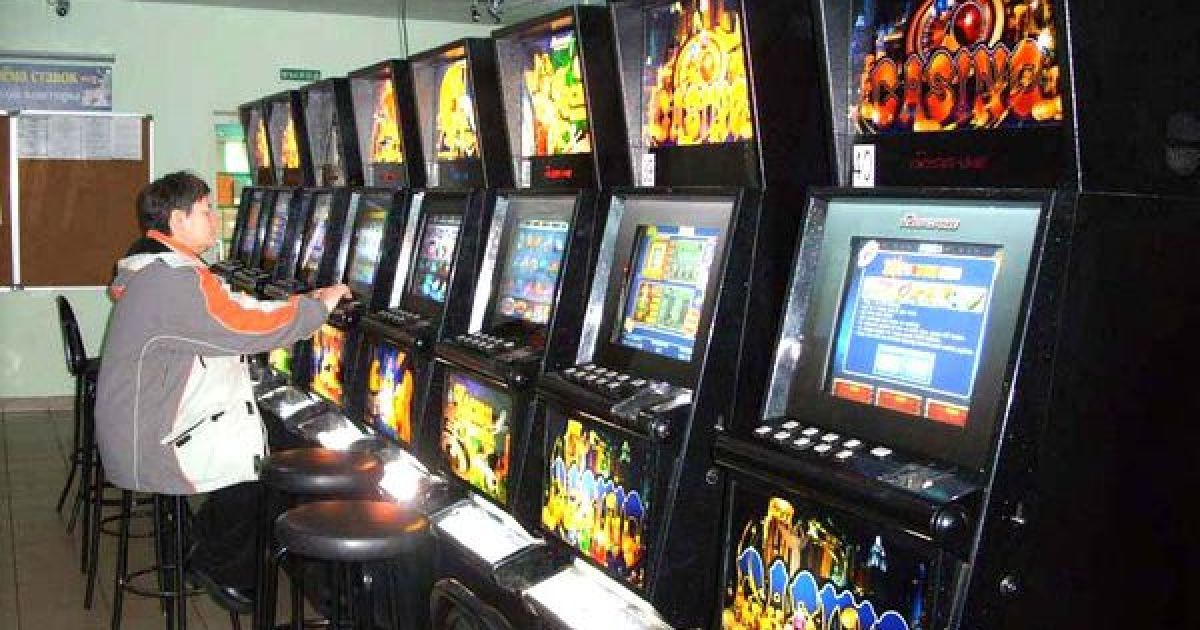
With the advent of the 20th century, technological advancements began to revolutionize the gambling landscape. The introduction of slot machines in the late 1800s marked a significant turning point, making gambling more accessible to the general public. These machines required no skills, appealing to a broader audience and leading to their rapid proliferation in bars and casinos. The allure of instant gratification through these devices transformed gambling into a mainstream activity.
The development of the internet in the late 20th century further revolutionized gambling by introducing online casinos. In the 1990s, the first online gambling platforms emerged, offering users the ability to place bets from the comfort of their homes. This digital transformation not only expanded the reach of gambling but also diversified the types of games available. Players could now access a wide variety of options, from poker to sports betting, at any time, reshaping the gambling experience entirely.
As technology continued to evolve, so did the methods of payment and security measures in online gambling. Cryptocurrencies and blockchain technology have entered the scene, providing a new layer of anonymity and security for players. This evolution reflects a shift towards a more decentralized gambling ecosystem where users can engage in transactions without intermediaries, thereby enhancing their gaming experience while fostering a sense of trust and security in online platforms.
Cultural Perspectives on Gambling
Gambling is perceived differently across cultures, influenced by historical, religious, and social factors. In some societies, such as in many parts of Asia, gambling is often integrated into cultural festivities and celebrations. For instance, during the Lunar New Year, many Asian cultures engage in games of chance as a way to attract good fortune for the upcoming year. These traditions highlight how gambling can serve as a means of cultural expression, symbolizing hope and community bonding.
Conversely, in certain cultures, gambling is viewed negatively, often associated with moral decay and social issues. Religious beliefs play a significant role in shaping these attitudes. For example, in Islamic cultures, gambling is strictly prohibited, as it is considered a form of exploitation and a distraction from spiritual duties. This divergence in cultural perspectives on gambling illustrates the complex relationship societies have with risk and reward, shaping policies and perceptions surrounding this age-old practice.
As globalization continues to spread, cultural exchanges have begun to influence gambling practices worldwide. Traditional games are being adapted to fit modern contexts, and international gambling events have become platforms for cultural interaction. The evolving landscape reflects a blend of historical practices and contemporary influences, demonstrating that gambling is not just a pastime but also a cultural phenomenon that evolves with society.
Conclusion and Exploration of Online Gambling
As we navigate the complex history of gambling, it becomes clear that it is an integral part of human civilization, reflecting our innate desire for risk and reward. From its ancient origins to modern digital platforms, gambling has evolved tremendously while remaining a source of entertainment and economic activity. Today, online gambling represents the forefront of this evolution, offering unprecedented access and variety to players around the world.
For those interested in exploring this dynamic world of online gambling, there is a wealth of resources available. Comprehensive guides can provide insights into the best real-money casinos, highlight the legality of various platforms, and discuss popular payment methods. This information is essential for making informed choices, ensuring a safe and enjoyable gaming experience that aligns with individual preferences.
As you delve into the online gambling landscape, remember that understanding its history and cultural implications enriches your experience. Whether you are a seasoned player or new to the gaming world, the journey through the evolution of gambling offers valuable perspectives on risk, reward, and the ever-changing nature of entertainment in our society.